


If you’re juggling multiple debts, debt consolidation can sound tempting — one payment, one interest rate, one sigh of relief. But before you jump in, it’s essential to understand what it actually does (and doesn’t) fix.
In most cases, debt consolidation treats the symptom, not the cause. It’s like putting a bucket under a leaky roof — it catches the water, but it doesn’t fix the leak. Consolidation reorganizes your debt, but it doesn’t address the habits, systems, or decisions that created it.
When clients come to me considering consolidation, we often discover that the real issue isn’t the debt itself — it’s a lack of financial structure. Without changing spending patterns or building better systems, consolidation often provides only temporary relief. Many people pay off their credit cards, feel free, then slowly rack them back up — ending up with both the loan and new card balances.
That doesn’t mean it’s always wrong. It can help if:
- You have a clear plan to change habits
- You’re committed to avoiding new debt
- The interest savings are meaningful
- It’s part of a broader financial strategy
A smarter approach is to first build a strong foundation: track where your money goes, create a realistic budget, strengthen financial habits, and design a debt payoff plan that tackles the root causes.
The goal isn’t just to reorganize debt — it’s to build a system that keeps you out of debt for good. If you’re considering consolidation, talk with a trusted advisor who can help you see the full picture and chart a long-term path to financial freedom.
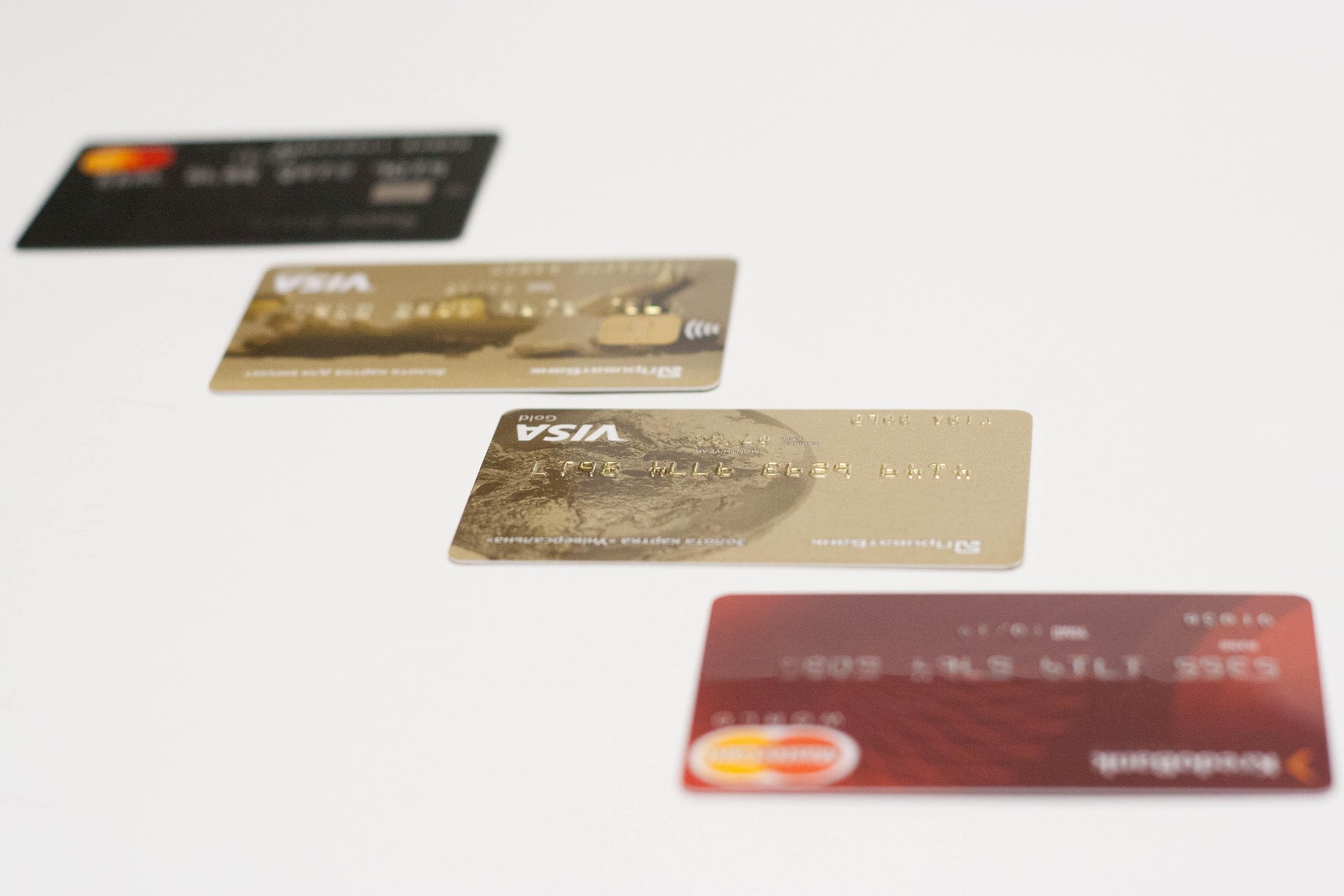
Image by Steve Buissinne from Pixabay